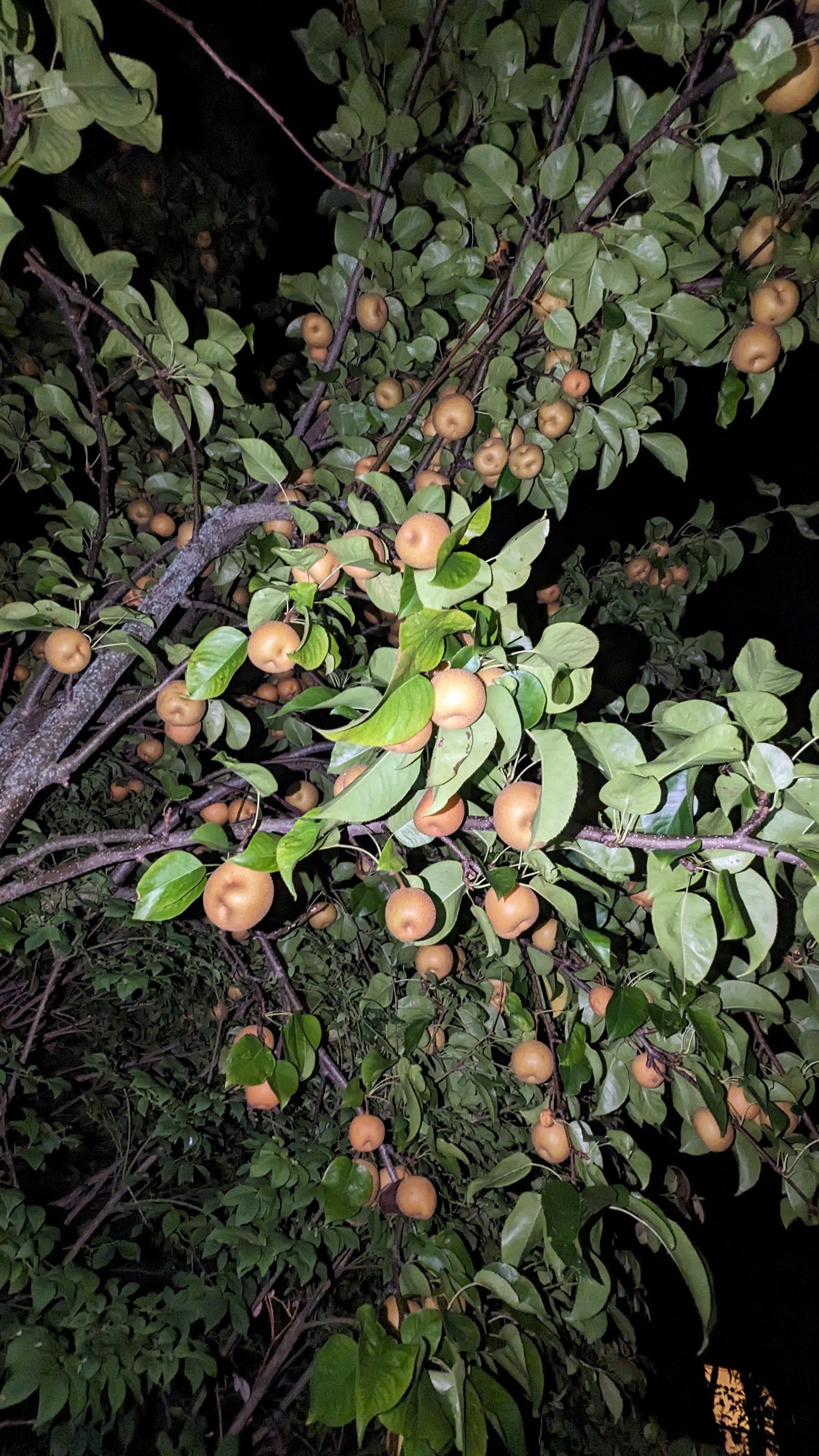
There is nothing more thrilling to me than the abundant gifts offered by the plants and animals on this earth. Since as long as I can remember, I’ve been fixated by growing things, foraging for food, fishing, and documenting my encounters with ecological wealth.
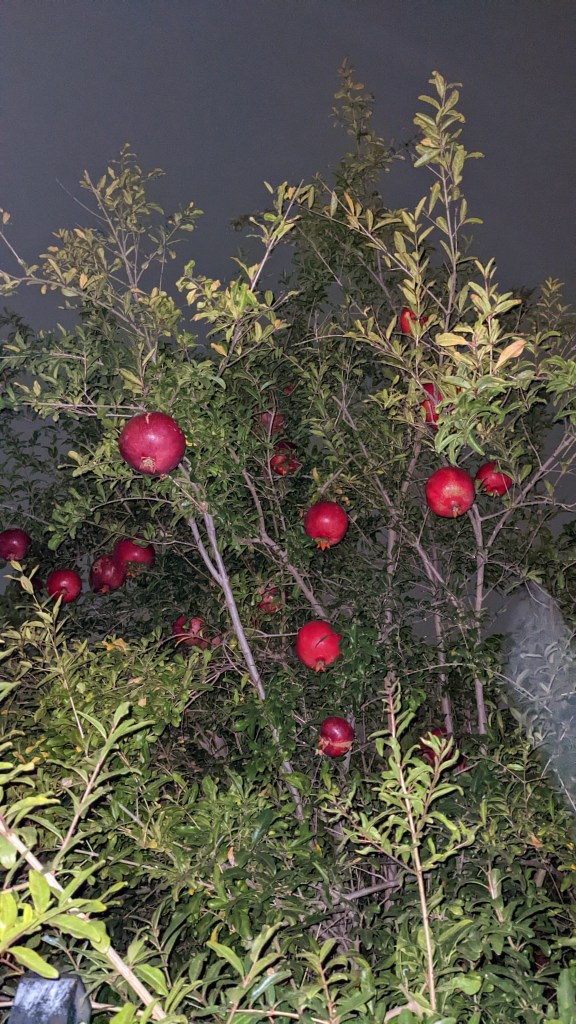
There’s a tiny photo of me at 6 years old holding a plastic fishing rod toy standing on rocks by the Jersey Shore. My mother is always telling stories about how as a little boy, I would roam her garden, getting so excited that I would eat unripe, sour green tomatoes straight off the vine. Later in high school, I sprouted an avocado pit which has today grown into a 10’ tall potted tree. One summer I even tore up my parents front lawn so that I could experiment with my own Three Sisters (Corn, Bean, Squash) garden. When I lived in LA, I would bike around for hours taking flash photos of all the different fruits growing in people’s yards, marveling at the wealth and beauty hidden amidst the city. I adore the way fruit lights up like a glistening jewel when photographed at night.
My work at Plenty was initially inspired by my interest in Permaculture and the various technological solutions for building global food resilience and sustainability. Without going into the details and data, I believe there is a clear consensus in the scientific community that our contemporary food production systems are at high risk of collapse due to climate change and in the meantime are causing overwhelming damage to our ecology and global biodiversity. As I continue to look past my time in hydroponics and indoor agriculture, I am interested in projects that emphasize restoration, ecological stewardship, and regional context.
QUESTIONING
I am interested in creative and community based solutions. There are many big, big problems to face, so it can feel very overwhelming to take things on as an individual. I do not believe there are any singular correct answers. Instead of declaring one truth, here are some interesting questions that I believe lead to fruitful inquiry:
- What can ecological historical context teach us about our food systems?
- What watershed do I live within and where are the boundaries?
- Where is my food coming from and who grew it?
- What food is growing wildly in my neighborhood?
- What species (flora & fauna) are going extinct in my region? Why?
- How can I support local agriculture and build local food communities?
- Where does my compost go?
RESOURCES
Additionally, I’ve compiled a short list of resources below that have taught me so much. Some of these are biased for the areas I’ve lived (Upstate NY, San Francisco, Los Angeles), but others are widely applicable.
https://www.cayuganaturecenter.org/cayuga-lake/biodiversity
Documenting marine diversity in my home Cayuga Lake. Among the many beautiful endemic species, little is still known about the Native Lake Trout, and the Lake sturgeon are at risk of extinction.
https://www.greenwave.org/team-bios
Bren Smith, author of eat like a fish, a fisherman turned into a seaweed farmer, building a coalition of small scale ocean farms
https://www.seaforager.com/book
Hilarious and brilliant informational resource for finding fish, shellfish, and seaweed in Northern California
https://www.youtube.com/@TheFishLocker
Packed full of information about aquatic species, tide pooling, and fishing
https://www.youtube.com/@edibleacres
A small Permaculture farm and tree nursery in upstate NY with a multi year backlog of extremely lucid and useful video content
https://www.foragersharvest.com/
The best books and information on foraging and processing your own wild food in North America
https://tacf.org/
American Chestnut Foundation, endeavoring to rescue the nearly extinct American Chestnut that used to dominate Appalachia
https://www.slofoodbank.org/food-rescue/#GLEANSLO
Inspirational project closing the gap between on-farm food waste and food banking
https://fleetfarming.org/
Decentralized non-profit farming network in Florida
https://store.experimentalfarmnetwork.org/
Decentralized network of farmers performing collaborative research to produce unique and high quality seeds
FORAGING & FISHING
*disclaimer*
All the photos below are intended for illustrative purposes. Do not reference for identification. Whenever I am harvesting food, I do my best to obey all local rules, regulations, and management practices. Never harvest food that you cannot identify with 100% certainty. I encourage collaboration, communication, and education. Comments and feedback are most welcome. Thanks!
***
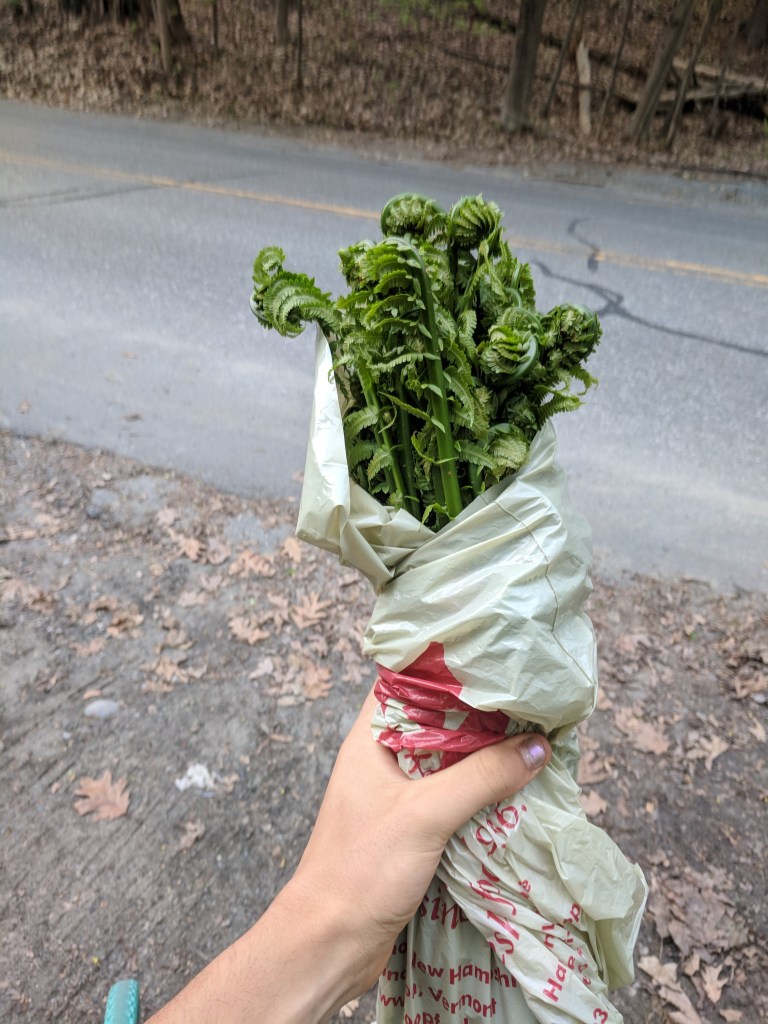
In the springtime in the northeast, wild tender young wild greens are available including ramps and the fiddle heads of Ostrich Ferns. There’s a lot of contention and just concern around ramp conservation – I only harvest these sparingly and with considerate regard for the local population.



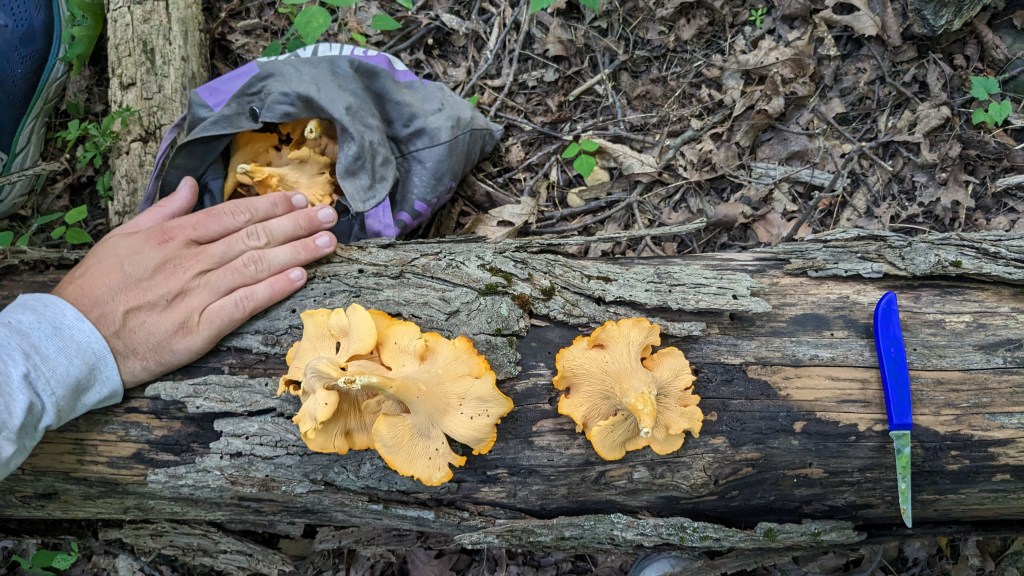
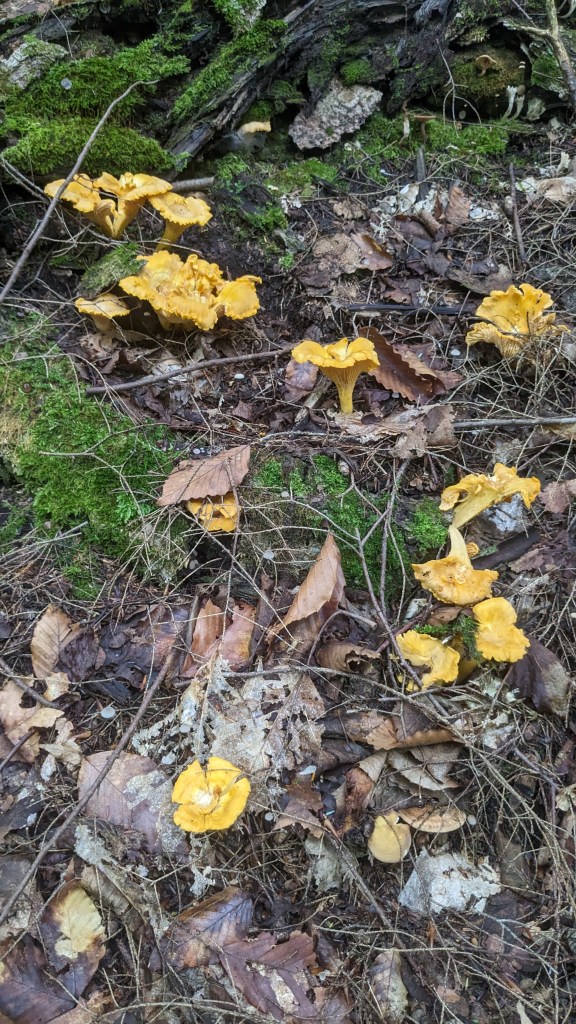
Summertime brings mushroom abundance. In my limited experience, I’ve encountered an insane amount of Chanterelle, as well as Lobster and Chicken of the Woods. In one bike ride in the summer of ’23, I found all three of the above species in the span of just a few hours! Chanterelle are especially fun, as I’ve often found once you find one, you find many more in the same vicinity. I’ve had multiple experiences where I could easily fill up a fridge crisper drawer within 30 minutes of harvesting. Taking these fruits does not damage or harm the population in any way, and often can actually help spread spores if done correctly.


Fall in the northeast is all about fruits and then nuts. Apples and Crabapples are maybe the most recognizable americana fruits. I’ve often found these fruits completely littering someone’s yard or a ditch by the side of the road. Grapes, Common Pears, Asian Pears, American Persimmon, Paw Paw, and many others happily grow as well. I’ve yet to find Persimmon and Paw Paw in the wild, but have found cultivated species growing in private semi-wild settings.

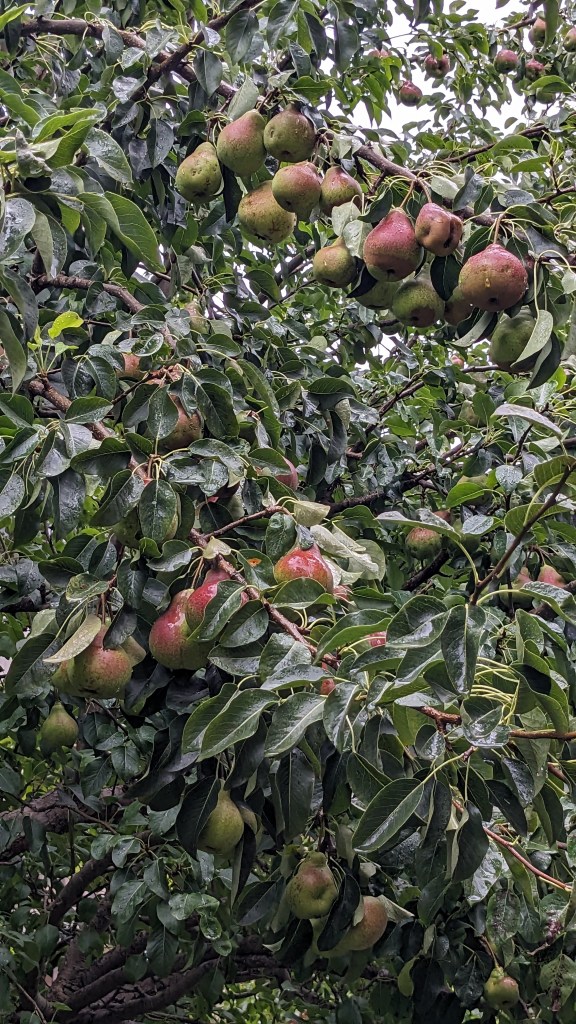


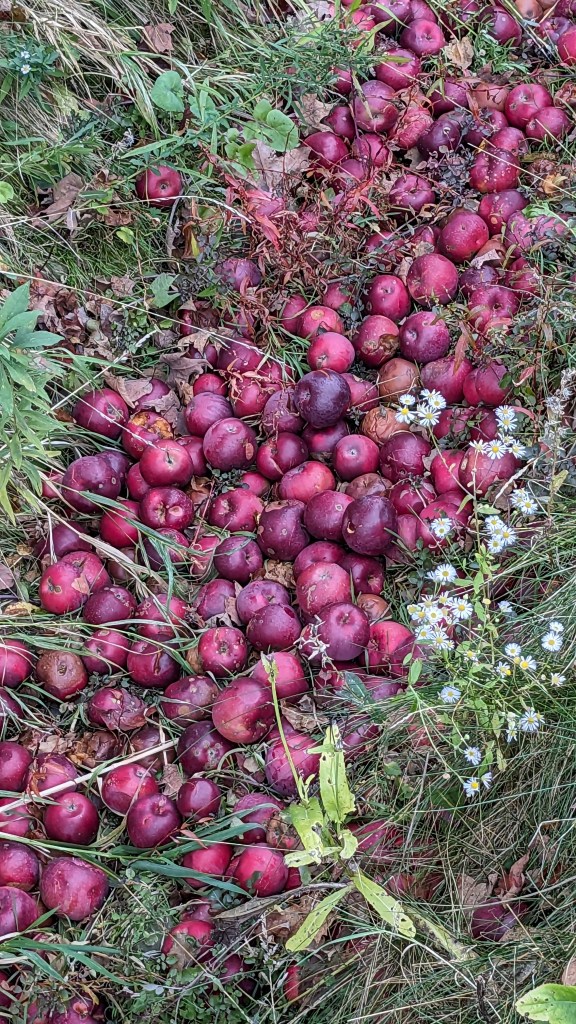


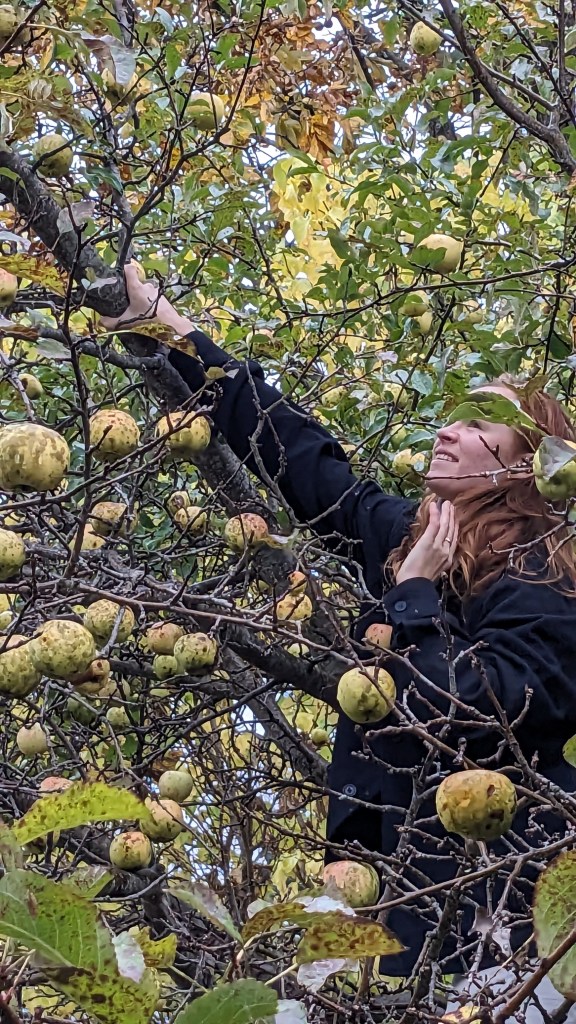

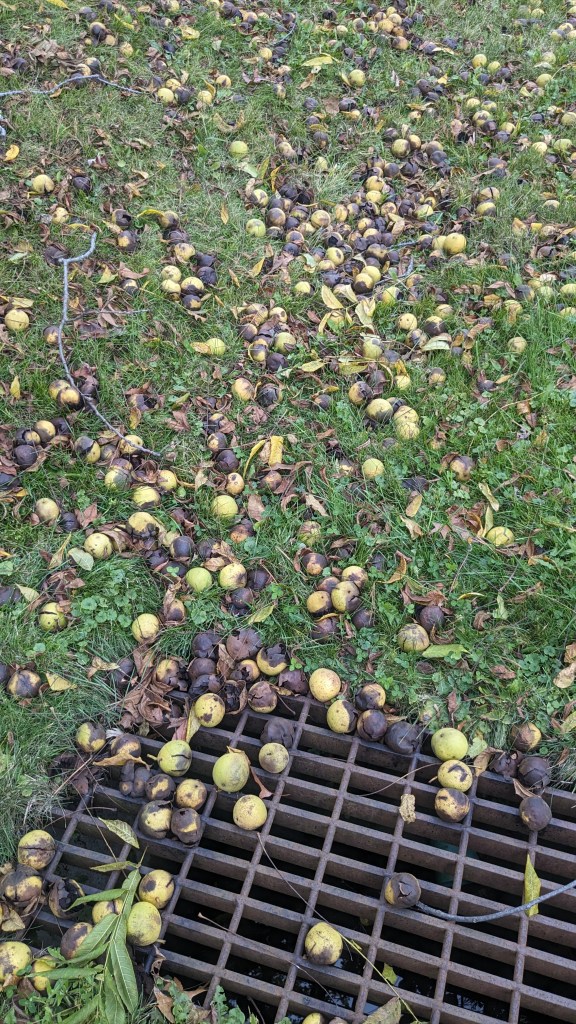
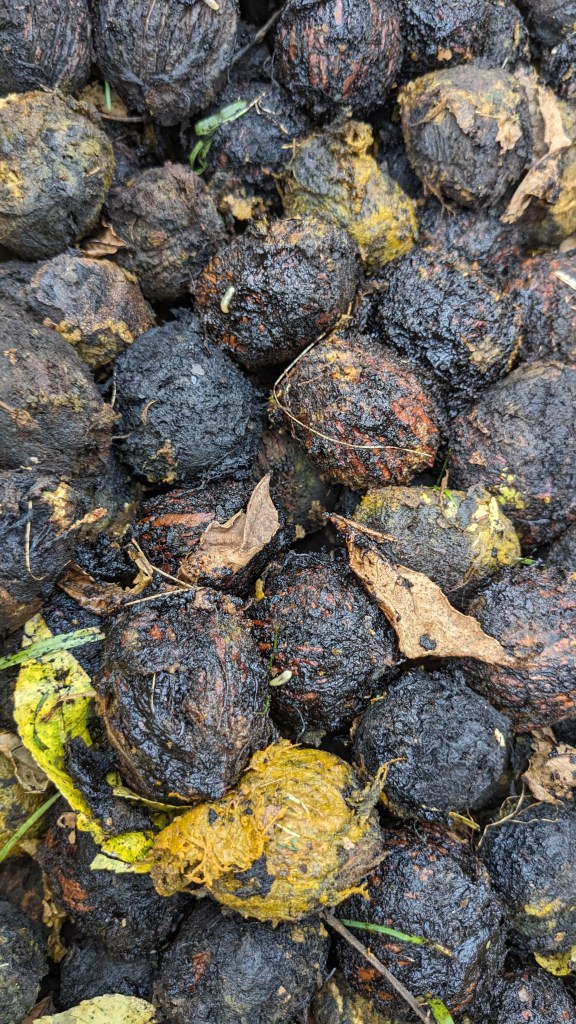
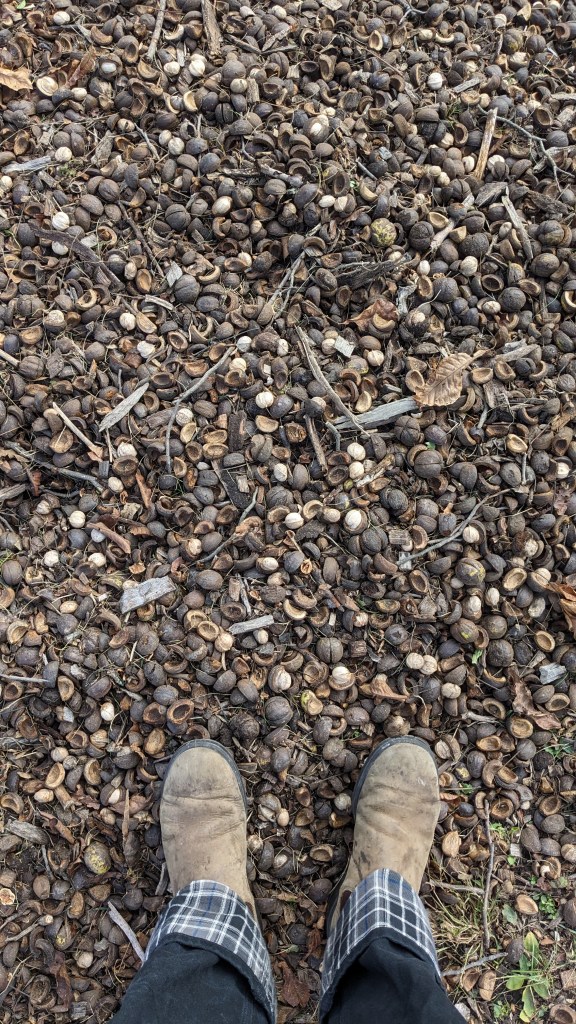
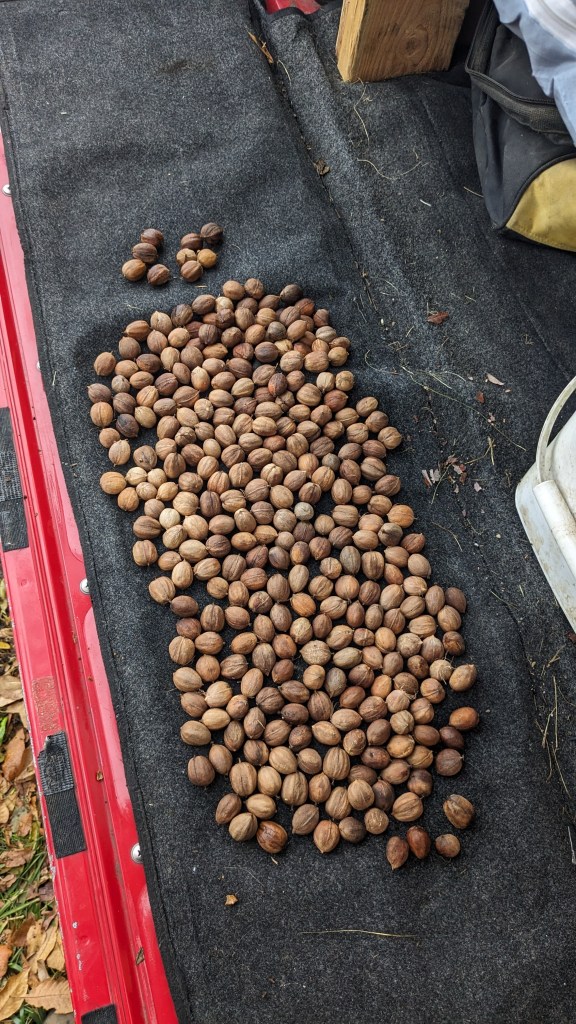
Nuts ripen in the fall as well and are an insanely abundant and historically important food source. There are many species of Acorn found in the North East, as well as Black Walnut, Chestnut, and many species of Hickory. Individual trees are known to drop thousands of lbs of crop per year, often unnoticed on roadsides. In my experience it’s been easy to gather pounds and pounds of nuts in very short periods of time. If you are interested in these crops, foraging is the way to go, since nut trees take much longer to produce than fruit trees (up to 50 years for some species!). There are many nifty tools available for improving the harvesting and processing of nuts that can be found online.


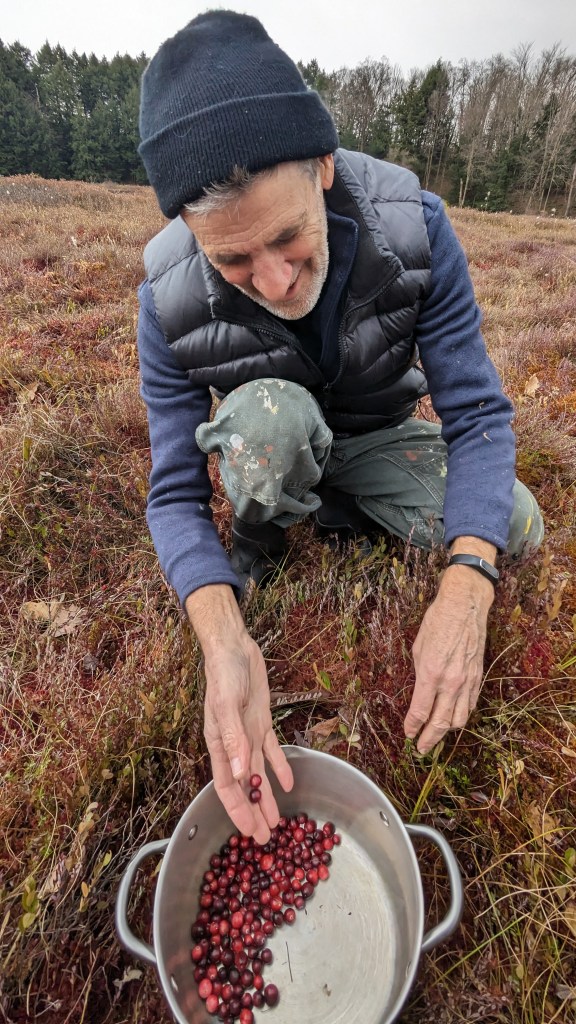
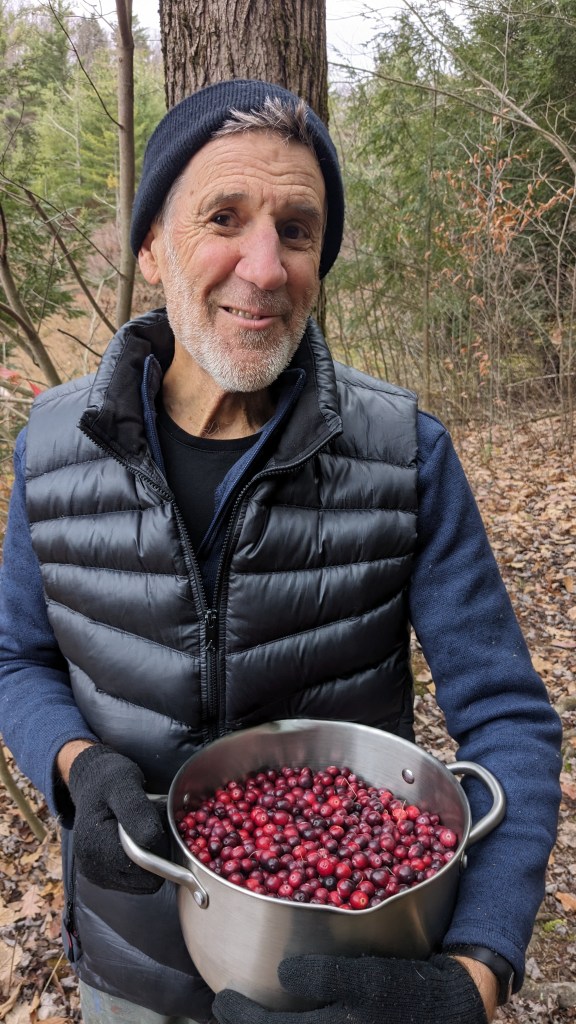
Special shout out here for the elusive bog cranberry. These cranberries thrive in the delicate and unique wetlands of the Northeast. They are tricky to identify at first but once your eyes adjust, its easy to pick many buckets full within the hour. Cranberries ripen later in the fall, even past first frost. Sometimes the berries will even freeze and be available in the spring when they defrost!

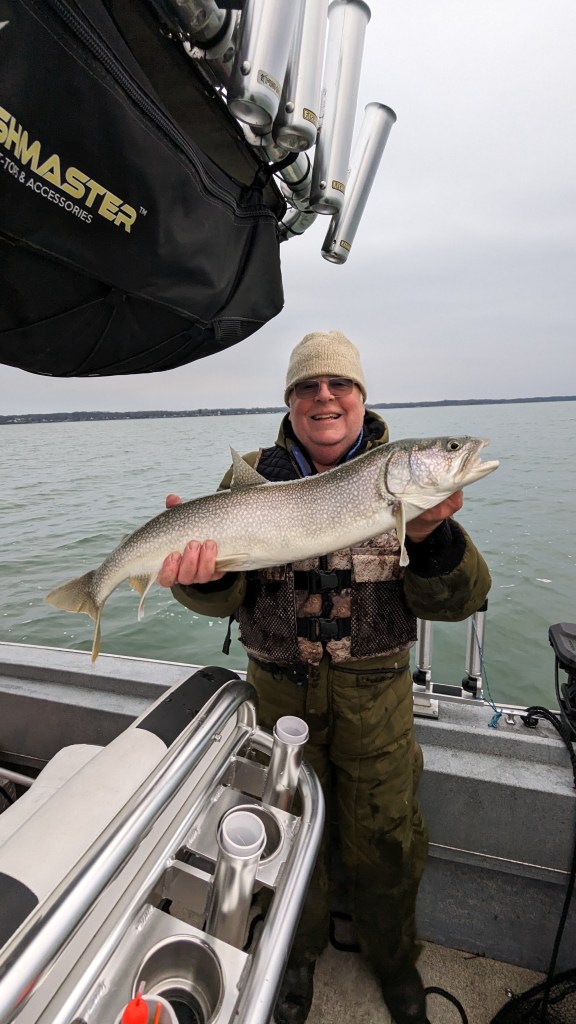
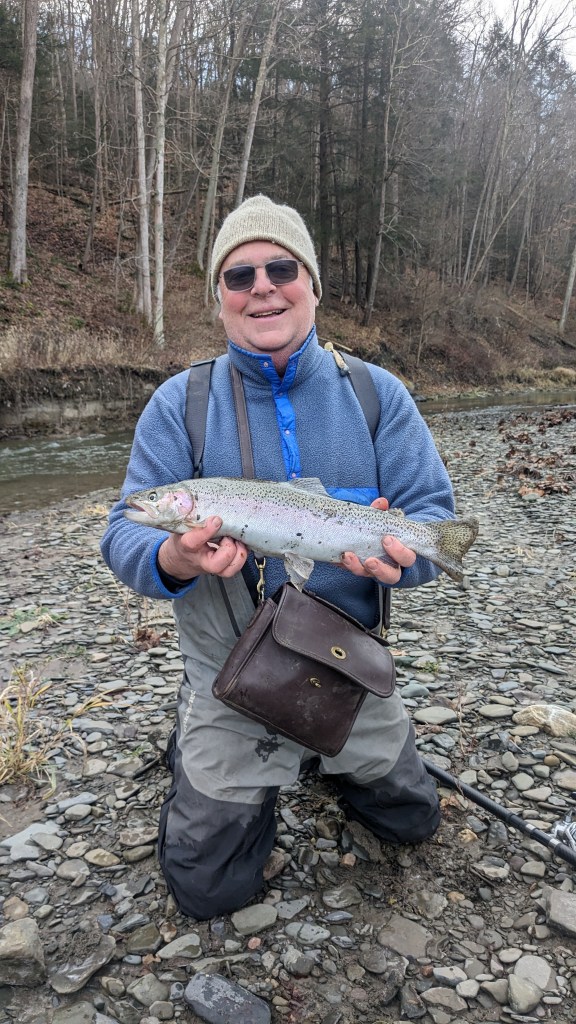
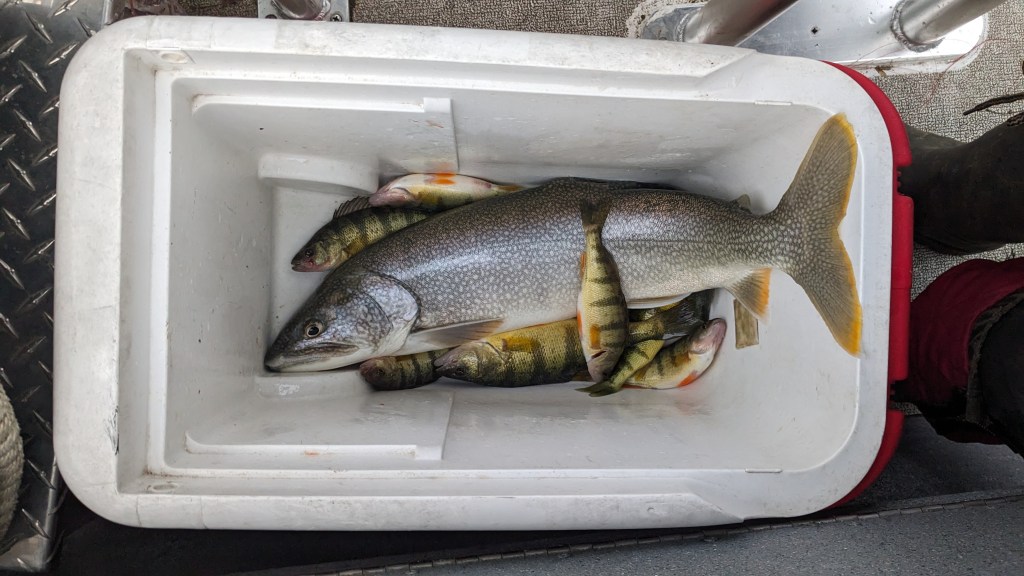
The fishing and hunting in upstate NY is quite abundant as well. I’ve yet to hunt but would like to learn how to harvest white tail deer. I am aware that duck and turkey are often harvested nearby as well. Cayuga lake is stocked with trout and also contains an endemic species of deep water lake trout. Smaller panfish are available such as yellow perch and sunfish. Below are a few shots of Lake Trout, Perch, and Rainbow trout harvested in late fall /early winter ’23 by myself and my friend Steve. Fish populations are closely managed, and I have signed up through the DEC to participate in the angler cooperation program to help provide more data for the community.

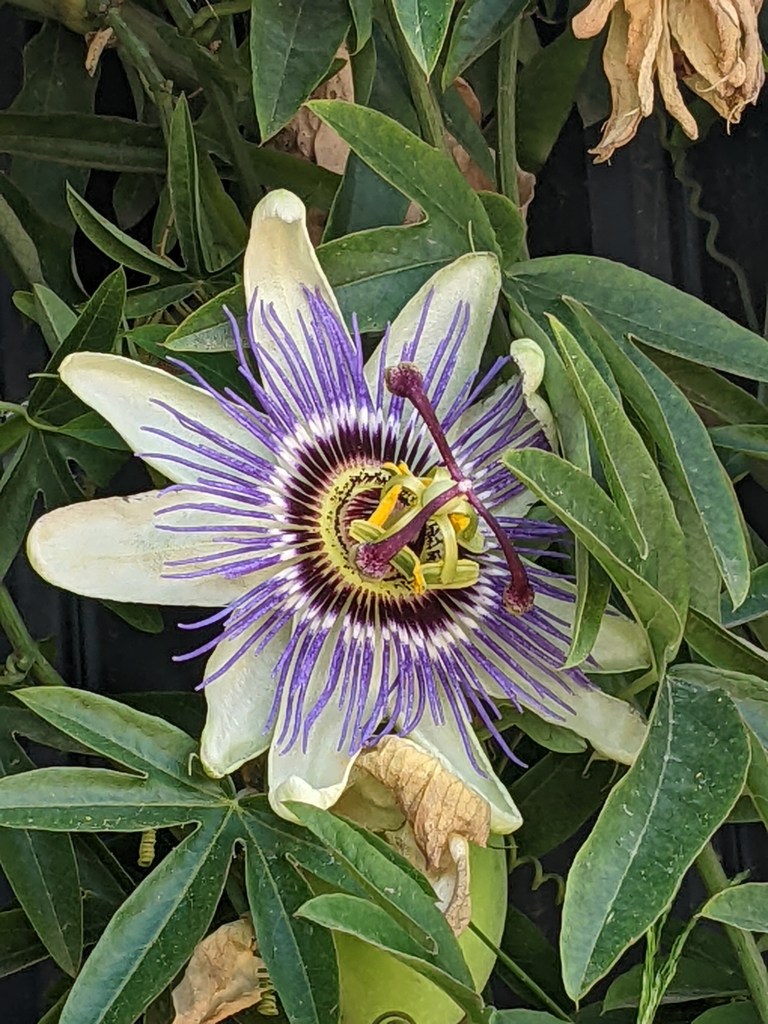
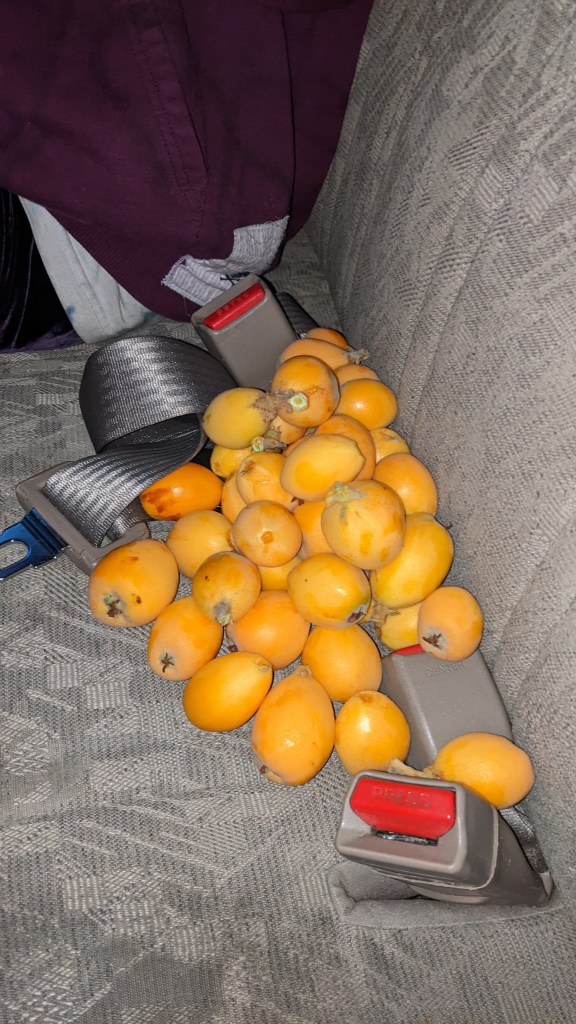
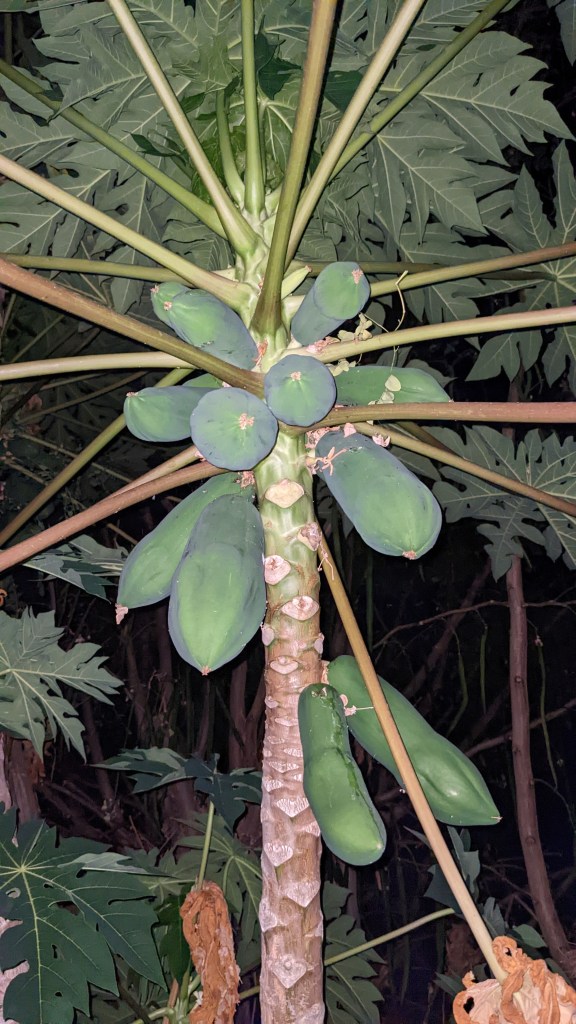
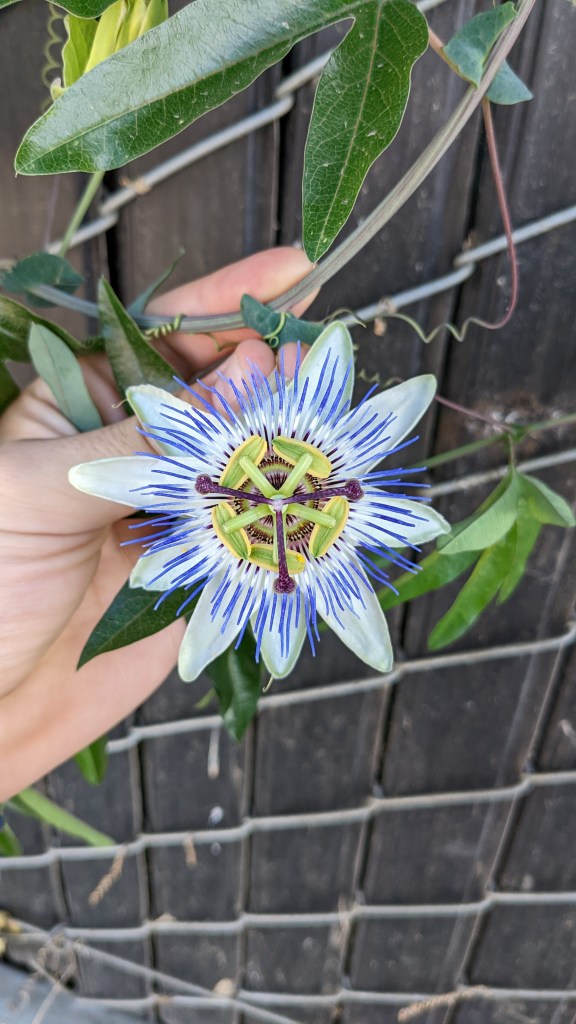
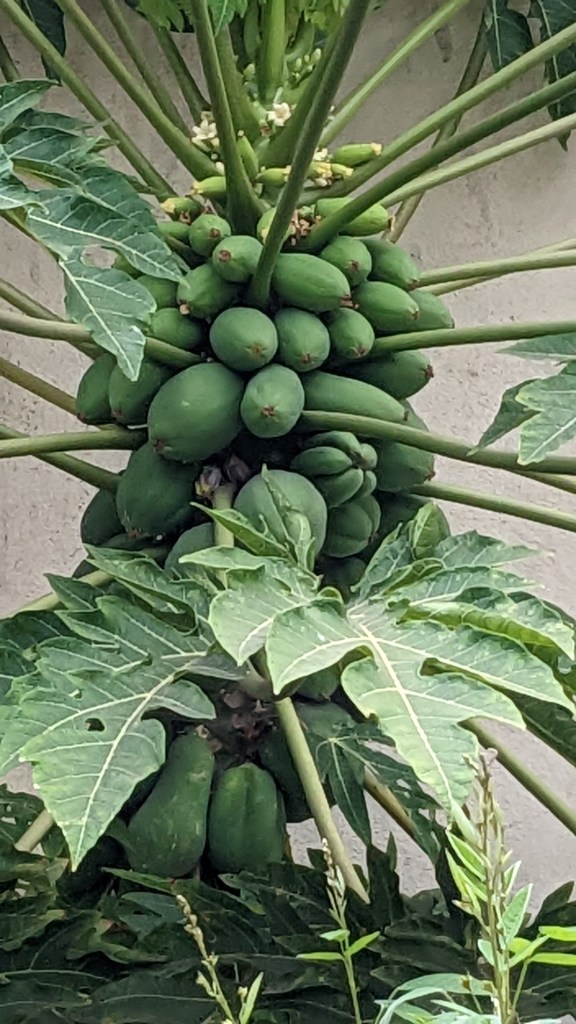
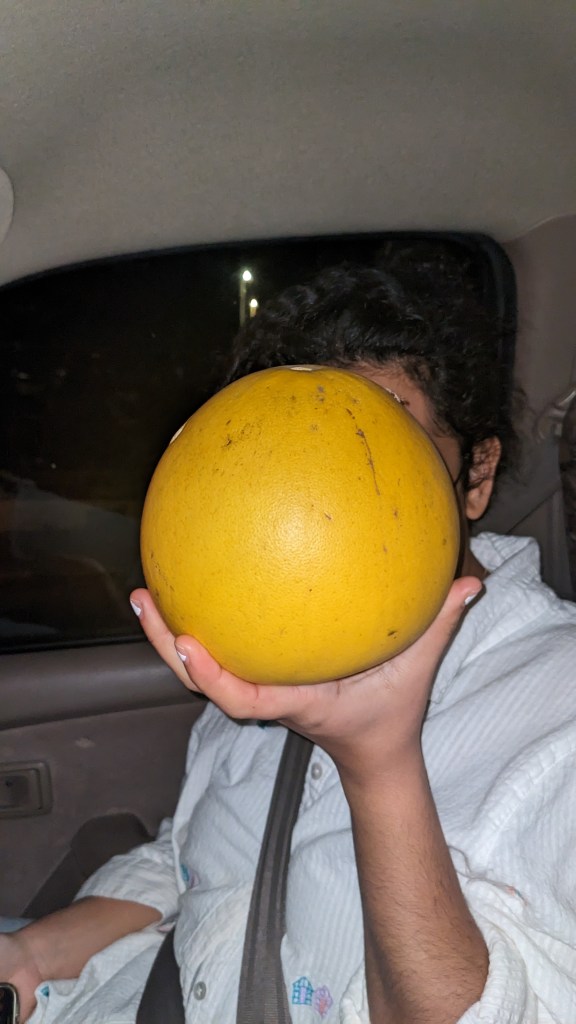
My time in California was marked by the ever presence of wild food. Within just a few miles of my apartment located 5 miles from downtown LA, I found Avocados, Persimmons, Guava, Fig, Loquat, Passion Fruit, Sapote, Jujube, Pomegranate, Yucca Blossom, endless Citrus, and Papaya. To be clear, most of these specimens were not “wild”, but were planted and growing in the public sphere, available via sidewalk access. In many instances, fruit from these trees was rotting, littering the ground, and unharvested.
Passion fruit flower especially became a perpetual source of amazement and joy.







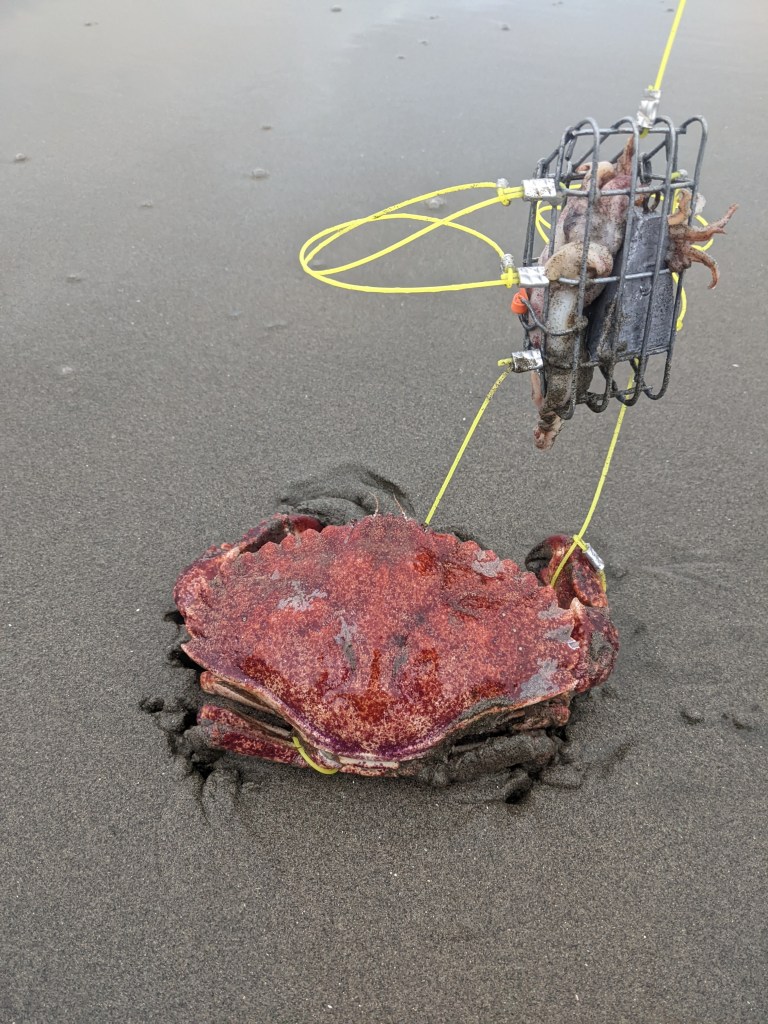
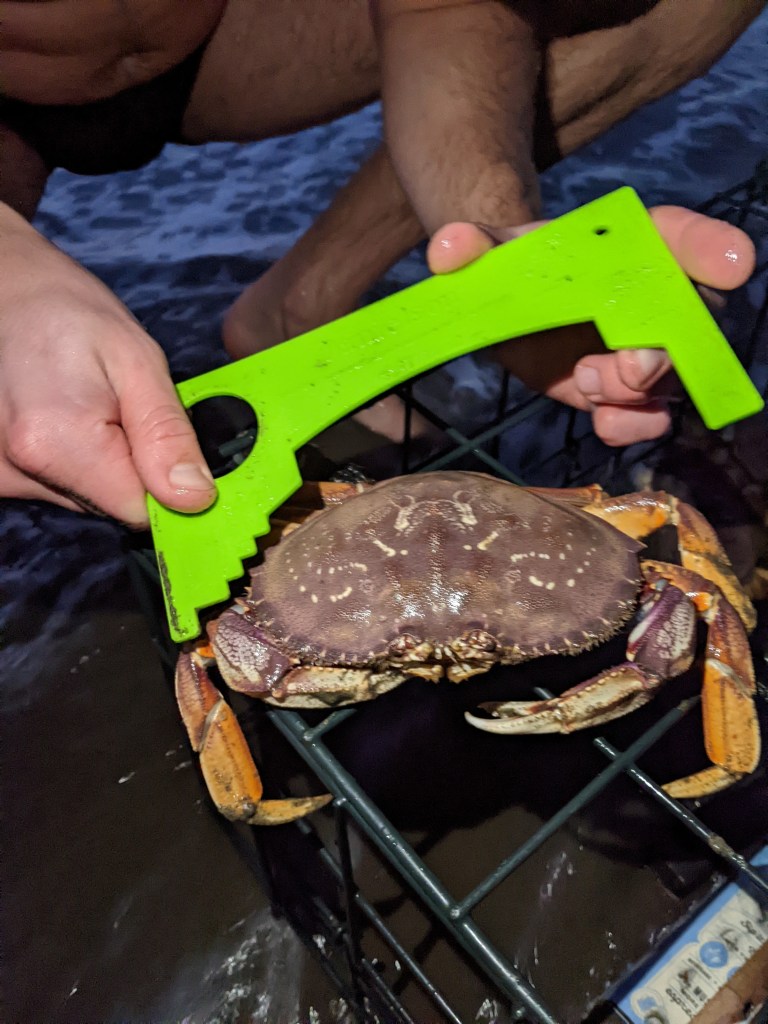
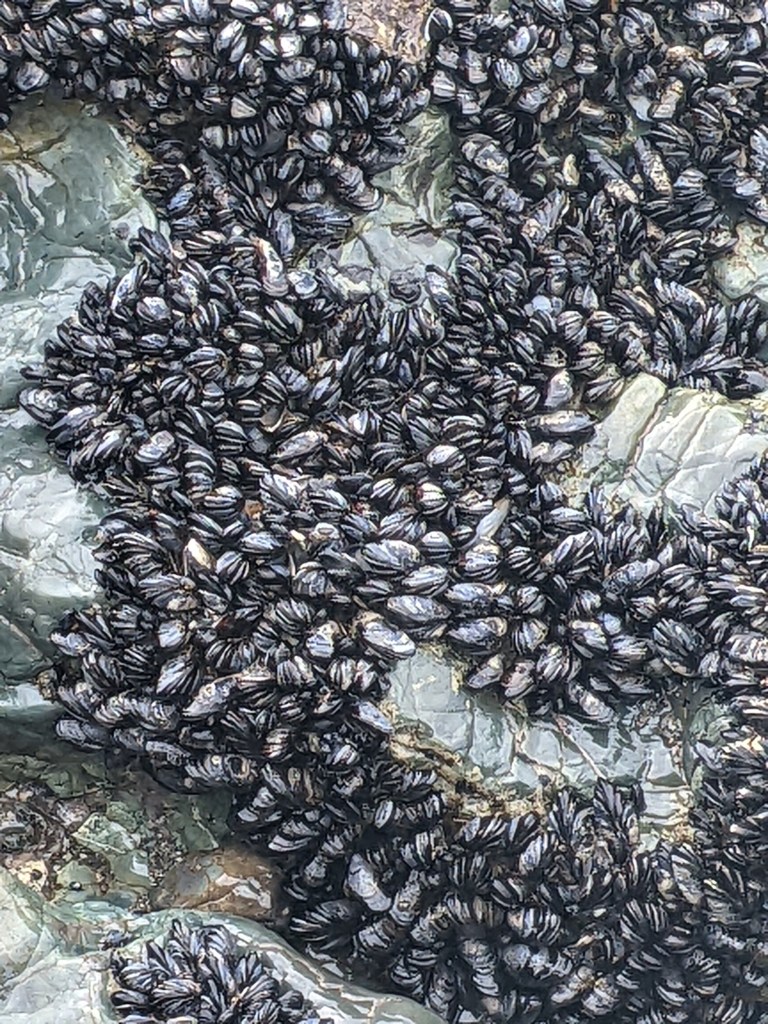
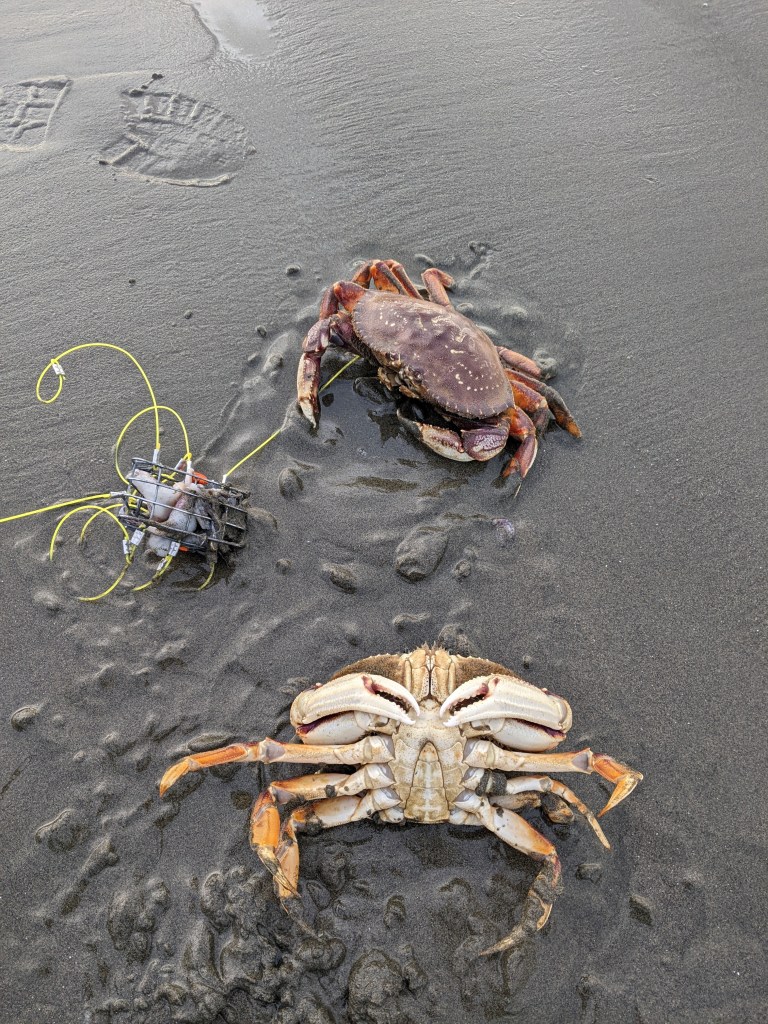
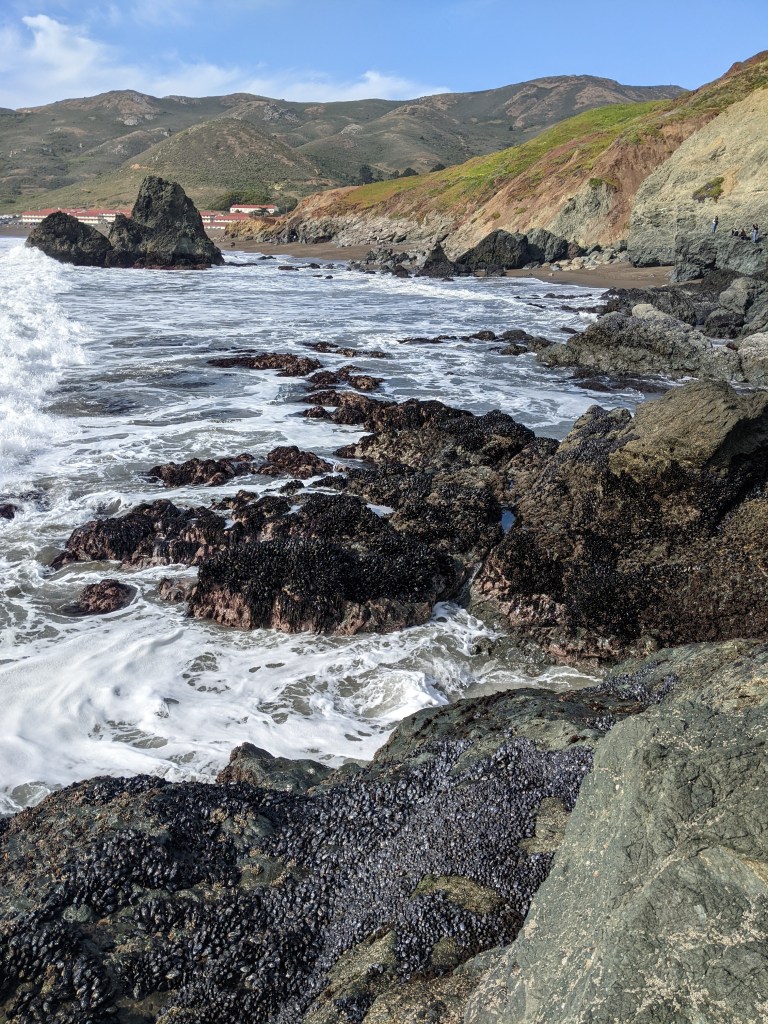
In Northern CA, the coastal fishing and foraging is exceptional. While there are many amazing species to consider, I focused on Mussels and Crabs. Mussel beds are often wildly abundant, hosting thousands of mussels per rock formation. You can reach your daily limit within 30 minutes, and cook these in a variety of ways. Crabs can be caught using pole & snare or a more traditional crab trap. You can fish from designated piers without a license. Rock crabs and Dungeness are both very common and readily available. The rock crab is eaten less and has a smaller limit size but is often more abundant than dungies. The redder crabs are rock crab, and the more brown colored are dungies. Seaweed foraging is also common but I did not get a chance to learn enough to make it happen.




 nadav hendel
Passionate and enlightening. Gorgeous pictures, too (except for that weirdo with the cranberries)
LikeLike